

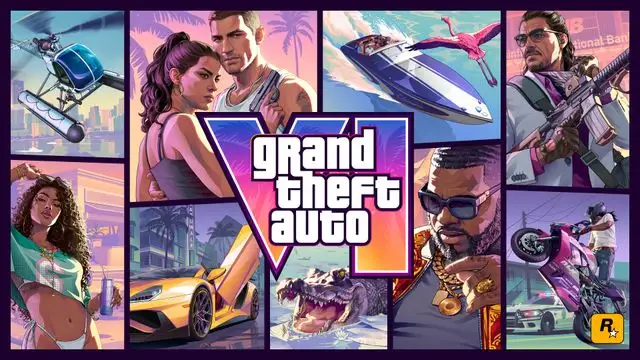
The biggest game ever made, Grand Theft Auto VI, might not fix a single one of the problems facing the industry that made it. It might even make them worse. That is, more or less, what Shawn Layden, the former head of PlayStation's worldwide studios, is saying in an interview with Kotaku.
According to Layden, gaming is generating enormous revenue, but from a shrinking, select group of people. The industry, in his words, keeps getting more money from the same players all the time rather than bringing new people into the experience. He acknowledges that GTA 6 will hit, in his phrase, "with great force and power", while also pointing out that there are a lot of people in the world who genuinely do not care about it.
Think of the industry like a shop that keeps raising prices on its regulars instead of attracting new customers. You can squeeze more money out of the same loyal crowd for a while, but if you are not bringing new people through the door, the growth is an illusion propped up by charging your existing fans more. Layden has called this dynamic an existential threat.
GTA VI complicates this picture because it is the purest example of it.
It's a game aimed squarely at the existing, massive, established Grand Theft Auto audience, built over roughly a decade at a reported cost of north of a billion dollars, designed to sell to "every adult" and defy the ongoing recession because fans were always going to buy it regardless of criticism, controversy, and backlash. Rockstar Games is not reaching new audiences who do not play games. It is delivering the ultimate product to the audience that already does.
When one game is this dominant, it does not lift the boats around it. It swamps them.
Studios across the industry rearranged their release calendars to stay out of GTA VI's way, which means fewer games competing for attention in its launch window. Players who drop $80 or $100 on GTA 6, on top of money for Grand Theft Auto Online, have less left over for the smaller, stranger, more varied games Layden says the industry desperately needs. When investors see GTA 6 inevitably break and set new and absurd records, the lesson they take is not "fund weird new ideas," it is "fund more gigantic sequels to proven hits."
Sure, a rising tide can lift some boats, and a monster hit brings lapsed players back to their consoles, gets even celebrities like Millie Bobbie Brown, Inde Navarrette, and Gaten Matarazzo talking about gaming, and can introduce the medium to people who are going to buy a new console specifically for it. Some of those people will stick around and try other games. That halo effect is real, but it's often temporary, and it still funnels most of its benefit toward the giant that created it. One game getting people to buy a console is not the same as the industry building a sustainable base of new players.
Then there is the cost of making these things. Layden also warned that $1,000 consoles could deter buyers and that too many games chase the same genres. GTA VI may have unlimited resources, but it's a game reportedly built on a development culture that has drawn serious criticism over crunch. Rockstar is one of the very few studios on earth that can even think about investing this amount of time, energy, and effort, on a game because it is one of the very few with a guaranteed audience big enough to justify the spend.
GTA 6 giveaway
Win a full copy of GTA 6 Ultimate Edition.We're giving away full copies of GTA 6 Ultimate Edition in several draws through launch. Enter with your email, then join in once on the site. One entry per person.
Prize
A full copy of GTA 6 Ultimate Edition
Email first, then one site action during the draw window.
If the takeaway for the industry is that games need to be this big, this expensive, and this long in the making to matter, then almost nobody else can compete. You cannot build an industry where the model only works for the single most valuable entertainment product in history. Everyone else drowns trying to copy it.
The silver lining here is that the past few years have seen games come from a healthy mix of the usual suspects like Capcom, Nintendo, and Xbox, and out of left field developers with more modest budgets punch up and earn their place in the ever-growing digital libraries of gamers.
This year alone, we've seen games like Forza Horizon 6, Pokémon Pokopia, Resident Evil Requiem, Saros, and Crimson Desert, all cater to their own respective audiences, selling relatively well on their respective platforms.
Then there are the unlikely critically acclaimed hits as well, such as Mouse P.I., Hades II, 007 First Light, Mewgenics, Meccha Chameleon, and so on. Last year's Game of the Year, Clair Obscur: Expedition 33, was technically an indie title, and two years before that, so was Baldur's Gate 3. Even Astro Bot, despite being a first-party PlayStation title, racked up awards and won GOTY in 2024 without requiring a fortune to make.
As you can see, there is a growing and thriving market outside of GTA 6. More developers, studios, and, particularly, executives, just need to think beyond what Rockstar and Take-Two are doing.
Because while Rockstar's games may end up setting all the records, they're more of an exception rather than a rule for everyone else to follow.


