

Confidence in Grand Theft Auto 6 sure is riding high over at Take-Two Interactive. Strauss Zelnick really looked directly into his webcam during an interview with The Game Business this week, and said the following: "If you have a console and you're over 17, just explain to me how it is that you've decided, 'No, no GTA 6, not interested?' I just don't see it."
This is the CEO of Take-Two Interactive, the parent company of Rockstar Games, the company that has delayed GTA 6 twice, shown almost nothing of the game since two trailers, refused to reveal its price, fired over 30 employees during development, maintained an information blackout so thorough that insiders have stopped trying to leak anything, and just this week said AI making GTA is "laughable" and that in-game ads in premium titles would be "unfair".
Now, looking straight down the barrel of a camera, he is telling you that the idea of a console-owning adult choosing not to buy his game is something he cannot even conceptualize. Is he wrong?
The numbers support the confidence. Grand Theft Auto V has sold over 210 million copies. Grand Theft Auto Online generates hundreds of millions annually, more than a decade after launch. DFC Intelligence projects GTA 6 will sell 40 million copies and earn $3.2 billion in its first year, and the 2026 release calendar is empty in October and December because every other publisher has cleared the runway.
No game in history has had this combination of installed audience, cultural anticipation, and competitive vacuum. Viewed from this perspective, Zelnick's words aren't delusional. He's reading the data correctly.When he says he cannot imagine a console-owning adult declining to buy GTA 6, he is not just expressing belief in his product.
He is expressing a belief that the product's existence is enough. He's saying that he 13 years of waiting, the two delays, the total absence of gameplay footage, the unanswered pricing question, and the marketing campaign that has not started yet are all irrelevant because the brand itself is gravity, and once again, he's right. He's even more correct when he said that there's no chance that GTA 6's audience might skew too old, saying:
It's not happening. We stay engaged with the kind of entertainment we fell in love with at 17.
He compared it to music. If you loved a genre at 17, you still listen to it at 40. If you loved games at 17, you still play them at 40. The cohort grows because nobody leaves.
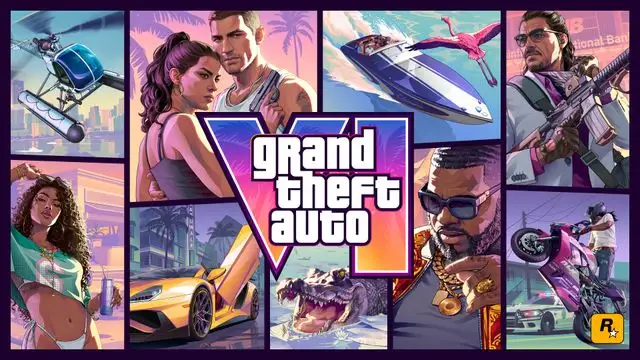
GTA 6 giveaway
Win a full copy of GTA 6 Ultimate Edition.We're giving away full copies of GTA 6 Ultimate Edition in several draws through launch. Enter with your email, then join in once on the site. One entry per person.
Prize
A full copy of GTA 6 Ultimate Edition
Email first, then one site action during the draw window.
The idea that people "age out" of gaming has been proven wrong by every demographic study of the past decade. The average gamer age has been climbing steadily, and the generation that grew up with Grand Theft Auto III, Grand Theft Auto: Vice City, and Grand Theft Auto: San Andreas did not stop playing when they got mortgages and children.
They just play differently, with shorter sessions, more targeted purchases, and much less tolerance for grinding. The "core" audience is still there, and it still has money. More money, in fact, than the teenagers Zelnick also says will show up in droves. However, the question Zelnick is not answering is what happens after they buy it.
Selling 40 million copies at launch is one thing. Converting those 40 million buyers into long-term GTA Online participants is the real bet, and that conversion depends on how the game retains attention across two fundamentally different audience segments with fundamentally different expectations for what "engagement" means. We'll find out the answer to this question, not when GTA 6 launches on November 19 later this year, but when at least six months to a year down the line.


