


Amid all the outrage over Sony ending physical discs, Bloomberg's Jason Schreier laid out the unglamorous and, unfortunately, greedy reason behind it, and it isn't complicated. It's just math, specifically, margins. Sony makes far more money on a digital sale than a physical one, and when you are about to sell a mountain of copies of games like Grand Theft Auto VI, we're talking about pocketing millions upon millions more from digital sales.
You see, when a game sells on a disc, the money gets split several ways before the platform holder sees any of it. The retailer that sold you the box takes a cut. Manufacturing the disc, printing the case, and shipping it all cost money too. When the same game sells digitally, none of those exist. The platform holder keeps a much bigger slice. Schreier's point is that this difference is not small. It is the entire reason Sony is doing this.
On a physical copy, after the retailer takes its roughly 30% and you subtract manufacturing and shipping, Sony walks away with something like $45.50 of a $70 game. Sell that exact same game digitally, and Sony keeps all $70, or nearly $25 per copy, or $35 for a game like the next Grand Theft Auto.
Multiply that across millions of sales, and you understand why a spreadsheet-driven company would happily weather some fan anger to get there.
Where GTA 6 comes in is that the same logic applies to it as well. On third-party games, Sony still takes a cut of every digital sale, typically around 30%, while making far less from a boxed copy sold through a retailer. So when GTA 6 sells tens of millions of copies, Sony earns dramatically more if those sales are digital rather than physical. The GTA 6 code-in-a-box is that same strategy applied in practice. The biggest third-party launch in years is also one of the biggest beneficiaries of an all-digital shift.
Schreier also gets at why Sony feels comfortable eating the backlash. Sony's internal view, as he describes it, is that its player base is loyal enough and already digital-ready enough that the physical holdouts who refuse to buy will not meaningfully dent the business. Most PlayStation sales are already digital. The people angry about discs are real and loud, but they are a small enough slice that losing some of them is an acceptable cost for keeping the full margin on everyone else.
It's a cold and brutal calculation that seems to forget that most non-physical sales occur on the PC platform, so, in reality, it may trigger a more massive backlash than expected.
That said, this is a deliberate trade. Sony takes more money from you in exchange for giving you less flexibility. It's the sort of decision a company makes when they're confident you'll keep buying anyway, and maybe that's true, especially with a game like GTA 6.
GTA 6 giveaway
Win a full copy of GTA 6 Ultimate Edition.We're giving away full copies of GTA 6 Ultimate Edition in several draws through launch. Enter with your email, then join in once on the site. One entry per person.
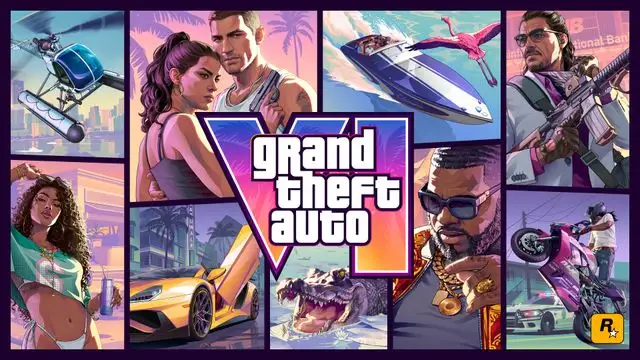
Prize
A full copy of GTA 6 Ultimate Edition
Email first, then one site action during the draw window.
However, Schreier raises an interesting point about other third-party publishers. Already, PlayStation's social media accounts are finding themselves bombarded by community notes made by angry audiences who will stop at nothing to let everyone else know how they feel. It has begun affecting more than just Sony's first-party titles like Marvel's Wolverine and other proprietary products. It's come to a point that Sony can't announce anything without getting ratio'd, as the kids say these days, for its decision to end physical media in less than two years.
So far, the anger has been loud enough to draw in politicians from France and Brazil as well as consumer protection groups and agencies, as well as rival platforms trolling Sony over physical media. Schreier's reporting suggests Sony has done the math and is not worried. It's right, but it's also the kind of confidence that occasionally ages poorly, especially if the vocal minority turns into a much louder and wider movement than expected.
For now, though, the numbers are on Sony's side, and that is precisely why it is not backing down.


