


The digital ownership fight that keeps circling Grand Theft Auto VI scores a regulatory response from the PROCON-SP. Brazilian federal deputy Erika Hilton says that after her complaint, the São Paulo consumer protection agency issued a statement affirming that PlayStation players, whether they buy physical or digital games, must have their consumer rights respected as Sony transitions into an all-digital future.
At its core, this is a win. You see, when you buy something, you gain certain rights to it that the seller cannot later strip away by rewriting the fine print. Hilton's argument, and what she says PROCON-SP backed, is that these rights apply to games too, even digital ones, and that Sony's terms of service allowing it to remove access to your library are abusive clauses that consumer law overrides. She's basically saying that Sony can't do whatever it wants just because it wrote it into a contract. Her account includes lending and sharing games, and the freedom to use a product after buying it.
What PROCON-SP didn't tell Sony is that it can't go digital. The agency did not oppose the migration at all. It reportedly only said Sony must respect consumer rights when making the change. It's making it clear that Sony cannot erase the ownership rights people paid for already.
This doesn't mean that digital games are now suddenly resellable or that they'll last forever, but it's a start.
Timeline of the Sony Disc Decision and Brazil's Response
Date | Event |
|---|---|
July 1, 2026 | Sony announces it will end physical disc production for new PlayStation games starting January 2028 |
July 3, 2026 (Friday) | Erika Hilton files a formal complaint with Brazil's National Consumer Secretariat, Senacon, citing the Consumer Defense Code |
July 8, 2026 | PROCON-SP issues a statement affirming consumer rights must be respected in Sony's digital shift |
January 2028 | Sony's disc production end takes effect |
The key dates from Sony's announcement to PROCON-SP's consumer-rights statement.
Unfortunately, this is one regulator's position in one Brazilian state, characterized by the politician who filed the complaint. It isn't a court ruling.
To make matters worse, digital resale law is genuinely unsettled worldwide. In most places, publishers argue that you buy a license, and courts in different countries have reached different conclusions on whether that holds up. The good news is that the PROCON-SP carries real weight in Brazil, and it has forced Sony and Nintendo to back down before, so there's no reason why it can't succeed again.
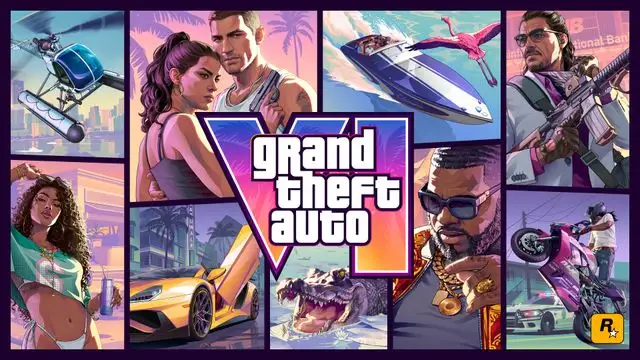
As the de facto poster child of this entire controversy after confirming and reaffirming its no-disc launch on November 19, Grand Theft Auto 6, and the entire Grand Theft Auto franchise, will inevitably find themselves dragged into this entire conversation.
After all, when you buy GTA 6 digitally, or as a download code in a box, are you buying it or licensing it? That is the exact question this regulatory fight is poking at.
As encouraging as this is for the pro-ownership crowd, everyone should tread carefully. This isn't a victory just yet. Regulators issue statements affirming consumer rights all the time. Actually forcing a global company like Sony to let you resell a digital GTA 6 copy would require sustained legal action, likely years of it, and probably would not survive Sony's argument that a license is not a sale.
Celebrating too early risks mistaking a regulator clearing its throat for a regulator laying down the law.
GTA 6 giveaway
Win a full copy of GTA 6 Ultimate Edition.We're giving away full copies of GTA 6 Ultimate Edition in several draws through launch. Enter with your email, then join in once on the site. One entry per person.
Prize
A full copy of GTA 6 Ultimate Edition
Email first, then one site action during the draw window.
Still, Sony can't afford to keep on ignoring the issue. Even a non-binding regulatory position adds pressure, builds a paper trail, and tells Sony that its terms will face scrutiny in markets with strong consumer laws. Stacked with the European lawsuit arguing Sony gains too much price control and the broader ownership debate politicians keep raising, this is another brick in a growing wall of institutional pushback.
Not a single one of these oppositions is strong enough to force Sony's hand. Together, they make the all-digital future a legally contested space rather than a done deal, and that's a marked improvement over where everything was an hour ago.
Whether this turns into anything Sony actually has to follow is the story that we'll follow closely.