

The next round of the fight to have a Grand Theft Auto VI disc, or for Sony to continue manufacturing physical discs at all, moves on to Mexico as per LevelUp. Two federal deputies, Iraís Reyes and senator Luis Donaldo Colosio Riojas, both of Movimiento Ciudadano, filed a complaint with Mexico's national antitrust commission asking it to investigate Sony Interactive Entertainment for alleged monopolistic practices.
They argue that killing physical games makes Sony the only place to buy PlayStation games, and that a company controlling the console, the store, the distribution, and the prices all at once starts to look like a monopoly. The complaint also warns that retailers such as Liverpool, Sanborns and GamePlanet would lose new-game sales, while players would lose resale, lending, trading and collecting options. For developers, it argues, losing the physical channel would mean dependence on Sony's digital infrastructure, commissions and commercial terms. When an EU commissioner said the bloc could not stop Sony from ending discs, he was answering a specific question: can we force a company to keep manufacturing a product? The answer to that is no, and it was always going to be no.
Nobody makes a business keep producing something it wants to retire. Antitrust, however, asks a completely different question. It asks whether removing the only alternative sales channel leaves Sony with unlawful control over its own market.
The entire all-digital pitch quietly assumes everybody has fast, reliable internet. Colosio's point is that this simply is not true in large parts of the country, and building a system that requires a big download to play a game you paid for is a different proposition in a place where the connection is slow, expensive, or unreliable. It is a real barrier elsewhere.
The lawmakers also brought receipts. They pointed to Sony pulling previously purchased content from European users' libraries and to hundreds of movies being removed from its digital catalog with no refunds for the people who had bought them. A fully legitimate monetary transaction took place, a product was bought and paid for, and unilaterally removed from the owners - this risk is at the core of the digital ownership debate.
Think about how everyone has gotten GTA 6 cheaper. Retailer promos, store card rewards, discounted gift cards from warehouse clubs, and student discounts, every one of those exists because retailers compete with each other and with the console stores for your money. Kill physical retail entirely and that competition dies with it.
GTA 6 giveaway
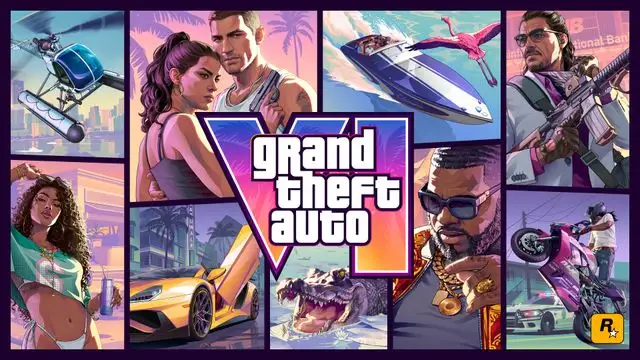
Win a full copy of GTA 6 Ultimate Edition.We're giving away full copies of GTA 6 Ultimate Edition in several draws through launch. Enter with your email, then join in once on the site. One entry per person.
Prize
A full copy of GTA 6 Ultimate Edition
Email first, then one site action during the draw window.
In an all-digital PlayStation world, the PS Store price is the price. The $79.99 that already had people grinding rewards points and stacking cards to afford becomes a fixed, non-negotiable number, set by the only company selling it. Rockstar's code-in-a-box physical edition is a preview of that world. The retailer still gets a cut today, so the discounts still exist for now. Once discs are gone entirely, that middle layer goes with them.
Filing with a competition authority is the first step of a long, slow process that may go nowhere, and Reyes and Colosio are filing as private citizens and gamers rather than in an official legislative capacity, which is a real limitation. However, antitrust is contagious. Once one competition authority starts asking whether a platform holder has become an unlawful monopolist in its own store, other regulators tend to notice, and Sony is already exposed on this front elsewhere.
Sony made this call for margins, and the math on that is not complicated, but in chasing the extra revenue per sale, it may have walked directly into the one argument that regulators actually have the power to act on. The politicians making speeches about cultural goods were never going to change anything. A competition authority ruling that you have monopolized your own ecosystem is a different animal entirely.
Sony spent years arguing it was not a monopoly because players had other ways to buy games. Then it announced it was removing those other ways. Whatever happens in Mexico, that is a strange hill to have chosen.


