


For all the panic surrounding artificial intelligence in gaming right now, Take-Two Interactive CEO Strauss Zelnick repeated something that he has said multiple times before, and that's how AI will never be able to create the next Grand Theft Auto.
In an industry increasingly obsessed with replacing human labor wherever possible, the company behind the second-best-selling video game of all time is publicly pushing back against the idea that generative AI can simply spit out blockbuster games on command, despite SpaceX CEO Elon Musk saying otherwise.
Speaking to investors and media recently, Zelnick argued that AI is inherently “backward-looking” because it relies on existing datasets and patterns instead of producing truly original ideas. In other words, AI can remix, imitate, and accelerate workflows, but it can't create the next cultural phenomenon.
To be fair, this isn't entirely surprising, and this is probably what most CEOs are trying to say.
After all, who doesn't need help with repetitive tasks? Production assistance, such as texture upscaling or QA support, is a different question from authoring stories and satire. No one who actually has a stake in the video game industry is asking AI to create the next GTA from scratch.
On the surface, GTA looks formulaic. It's a big map like Vice City or Los Santos with cars, crime, missions, satire, and chaos, but execution and cultural timing are two things that no studio outside of Rockstar has gotten right. What Rockstar does differently is create worlds that feel deliberately authored. Their games are packed with specific observations about modern culture, internet brain rot, consumerism, celebrity obsession, politics, and social decay. Sometimes subtle, but more often than not, painfully obvious.
AI is not great at that because satire requires understanding context, contradictions, and changing cultural moods.
Datasets can tell AI what people used to laugh at, but it doesn't understand why people laughed in the first place.
Of course, just because Zelnick says AI cannot create “hits” does not mean Rockstar is avoiding AI tools altogether. No major publisher is going to willingly ignore technology that can reduce production costs and accelerate development pipelines.
GTA 6 giveaway
Win a full copy of GTA 6 Ultimate Edition.We're giving away full copies of GTA 6 Ultimate Edition in several draws through launch. Enter with your email, then join in once on the site. One entry per person.
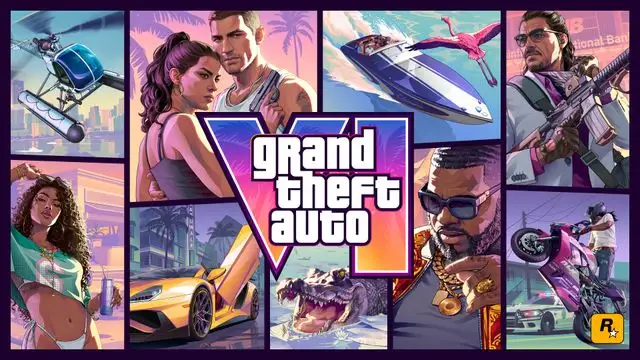
Prize
A full copy of GTA 6 Ultimate Edition
Email first, then one site action during the draw window.
What happens with GTA 6 will likely influence how the rest of the AAA industry approaches AI adoption moving forward.
If Rockstar successfully integrates AI-assisted workflows without damaging the player experience, other publishers will follow aggressively.
If audiences detect lower-quality writing, repetitive dialogue, or soulless design shortcuts, backlash will spread just as quickly.
However, Zelnick insists AI will have no place in GTA 6 and if it doesn't show any signs of AI use, then audiences will demand that the rest of the video game industry follow suit.
With that said, the main takeaway here is that technology alone isn't enough. It doesn't create cultural relevance. If it did, every giant AAA publisher would already be making games as beloved as Red Dead Redemption 2 or Grand Theft Auto V consistently, but they aren't. We found out just recently that even one of the biggest people behind Rockstar North couldn't replicate the same formula that made GTA so successful despite having the experience, tenure, and creativity to technically pull it off.
So, yes, bigger budgets and better technology help, but they do not automatically produce creativity.
You can automate production pipelines. You cannot automate taste.
Despite all the fear surrounding AI right now, that might be the one thing keeping modern AAA games from becoming completely indistinguishable from each other.


