

Of all the ways we expected to learn something new about the Grand Theft Auto franchise in 2026, a trademark dispute with a sandwich restaurant was not on the list, and yet, here we are. Take-Two Interactive, the parent company of Rockstar Games, recently filed to block a company called DT Global Investment Holdings from trademarking the name "Vice City Subs" for a planned sandwich and restaurant business.
The filing was submitted to the U.S. Patent and Trademark Office on February 13, 2026, and in it, Take-Two's lawyers laid out the history and commercial significance of the "Vice City" name within the GTA franchise. Much of it was known and standard fare, except for one thing - buried in the documentation was a sales figure that Take-Two hadn't publicly disclosed in nearly two decades.
According to the legal filing, first spotted by journalist Stephen Totilo of Game File, Grand Theft Auto: Vice City Stories has sold over 7 million copies worldwide since its 2006 release on the PlayStation Portable. The last time Take-Two reported a sales figure for the game was in March 2008, when it stood at 4.5 million copies. This means that the oft-forgotten and criminally underrated Vice City Stories quietly moved an additional 2.5 million units over the past 18 years without anyone really knowing about it.
Vice City Stories was a portable companion to Grand Theft Auto: Vice City, set in the same neon-soaked 1980s version of Miami but following a different protagonist, Victor Vance. It was well-received at launch, and notably featured musician Phil Collins as himself in what remains one of the more memorable celebrity cameos in gaming history, complete with a playable concert mission.
However, what's interesting is that the legal filing also included sales data for the original GTA: Vice City, and for that game, Take-Two's lawyers cited the same figure the company reported in 2008: 17.5 million copies. That number hasn't budged in 18 years of filings, which is either a remarkable statistical improbability or a very curious omission.
There's virtually no chance that the game starring Tommy Vercetti, one of the most iconic and culturally significant video games ever made, hasn't sold additional copies since 2008. The game has been re-released on mobile platforms, included in the Grand Theft Auto: The Trilogy - The Definitive Edition bundle, and made available across multiple digital storefronts.
The idea that it moved exactly zero additional units since 2008 while a PSP spin-off quietly added 2.5 million is, to put it gently, implausible. More likely, Take-Two's lawyers updated the number they had readily available documentation for and left the other one as is. Alternatively, only the original version is accounted for, and ports, rereleases, remasters and other versions do not count towards the same number.
Of course, the knee-jerk reaction to this story is fairly obvious: a sandwich shop accidentally forced a multibillion-dollar gaming publisher to reveal sales data it had kept private for nearly two decades, which is objectively hilarious. At the same time, it says something about how the gaming industry treats actual sales figures. Take-Two, like most major publishers, only shares sales data when it's strategically useful.
Grand Theft Auto V has sold the most copies for a PlayStation game ever. Red Dead Redemption 2 has crossed 82 million. These numbers are cited regularly because they make Take-Two look good on earnings calls and in investor presentations. On the other hand, smaller titles in the portfolio, even ones that sell millions of copies, often get their sales figures frozen in time the moment they stop being useful for shareholder communications.
Vice City Stories selling 7 million copies is genuinely impressive for a PSP-exclusive title from 2006, but if Take-Two hadn't needed to prove to a trademark court that "Vice City" is a commercially significant brand, we might never have learned that number. With that said, there's a good reason why Take-Two is adamant about protecting the fictional city's name.
GTA 6 giveaway
Win a full copy of GTA 6 Ultimate Edition.We're giving away full copies of GTA 6 Ultimate Edition in several draws through launch. Enter with your email, then join in once on the site. One entry per person.
Prize
A full copy of GTA 6 Ultimate Edition
Email first, then one site action during the draw window.
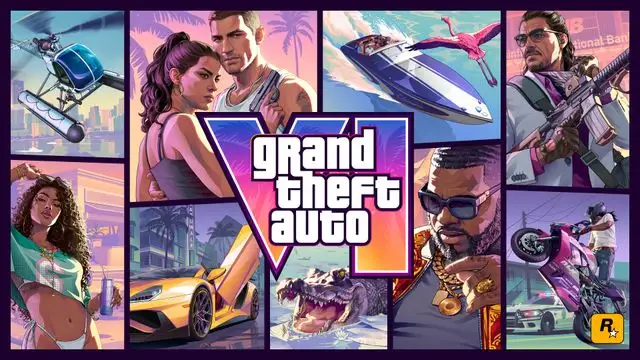
Grand Theft Auto 6 is set to return to Vice City when it launches on November 19, 2026, on PlayStation 5 and Xbox Series X/S. Take-Two's marketing campaign is set to begin this summer, and the company has every reason to protect the "Vice City" name more aggressively than usual right now. A sandwich chain operating under a name that directly invokes one of gaming's most recognizable brands, right as that brand is about to become the centerpiece of the most anticipated game in history, was never going to fly.
Given that GTA 6 is set in a modern-day version of Vice City and that Rockstar has historically used fictional businesses, restaurants, and food chains as satirical set dressing throughout the GTA series, the potential for consumer confusion is actually more plausible than it might seem at first glance. Vice City Subs sounds like it could be an in-game restaurant chain that Rockstar invented for GTA 6.
Ultimately, what we can take away from this is that we only learn the numbers when it's convenient, or when it makes GTA V look like the unstoppable juggernaut it is, and maybe when it helps justify GTA 6's billion-dollar budget, and maybe, just maybe, when someone tries to name a sandwich shop after your most famous fictional city. Whatever works.


