

Crimson Desert has completely locked down its physical copies so that players who receive the disc early cannot play, stream, or spoil the game before its official release date, and, in doing so, it might have given Rockstar Games a blueprint on how to prevent the story contents of Grand Theft Auto VI from making its way into the public.
The disc requires a mandatory internet download, then displays a message telling the player to return on launch day. The game exists on the disc in some form, but it is functionally useless for now.
As dataminer videotechuk_ pointed out almost immediately, this is exactly what should happen to GTA 6.
Retailers ship early, logistics happen, and discs end up in people's hands before the game is supposed to be available. This is how leaks start. This is how spoilers spread. This is how early gameplay footage floods social media and how carefully planned marketing campaigns get undercut by someone with a capture card and a copy that arrived three days early.
For most games, this is an unavoidable cost of doing business with physical media. For Crimson Desert, Pearl Abyss turned the disc into a locked door. Without the day-one patch downloaded via internet connection and without the server-side timer clearing the release date, the disc does nothing.
GTA 6 guide
Grand Theft Auto VI: Everything We KnowRelease date, map, characters, gameplay and more, updated regularly.
Rockstar has already experienced the worst-case version of what happens when a game's content escapes before the studio is ready. The September 2022 Lapsus$ hack resulted in over 90 videos of early development footage leaking online, costing the company an estimated $5 million in recovery and forcing the studio into a security posture that has only intensified since.
See a featured GTA BOOM Bookie market here.
The market card is loading. If it does not appear, open The Bookie for the latest odds and active questions.
Open this market in The BookieThe December 2023 trailer leak forced Rockstar to release Trailer 1 ahead of schedule. Insiders have gone silent after reports of deliberate misinformation being planted to catch leakers. The studio fired over 30 employees in October 2025 over alleged confidentiality breaches, and just weeks ago, Rockstar scrubbed GTA 6 title IDs from the PlayStation Store within days of them being discovered, after fans exploited them to add the unreleased game to their profiles.
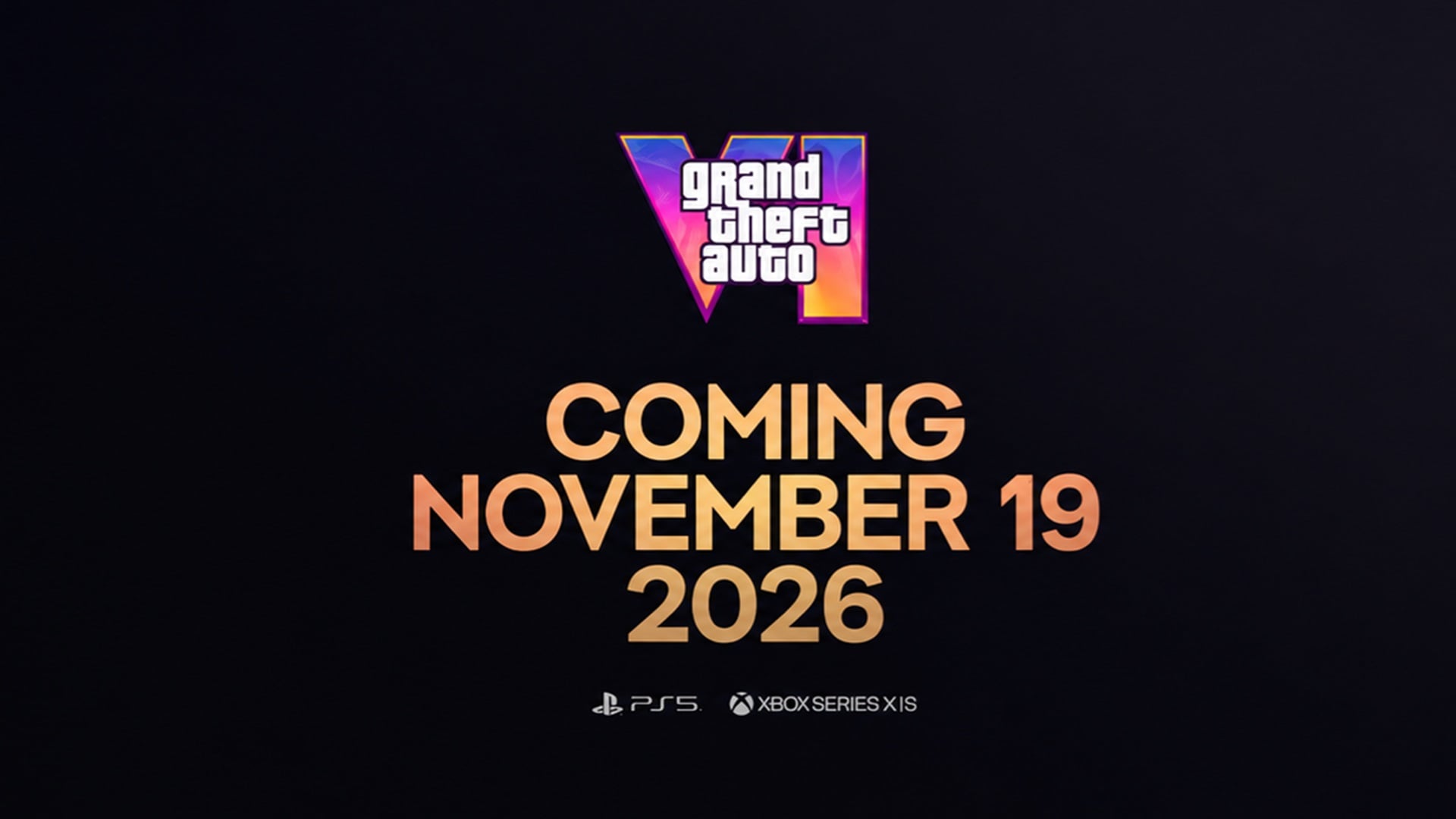
Every one of those incidents was digital. None of them involved a physical disc, but when GTA 6 ships on November 19, 2026, physical copies will be manufactured, shipped to distribution centers, sent to retailers, and, inevitably, end up in someone's hands early.
For a game expected to generate $3 billion in its first year, where fans have analyzed every trailer frame down to the pixel and brought an information drought so severe that the community has turned backend database updates into front-page news, an early physical copy leaking gameplay would hurt a lot. This would effectively undermine the carefully sequenced marketing campaign that Strauss Zelnick has called "a huge departure" from what Take-Two Interactive normally does.
The tradeoff, and it is a real one, is what this means for game preservation and consumer ownership. A disc that requires an internet connection and a server-side validation to function is, in practical terms, not a physical product in any meaningful sense. It is a license key in a plastic case. If the servers go down, if the storefront is decommissioned, if the publisher ceases to exist, the disc becomes a coaster.
However, given everything Rockstar has done over the past three years to control the flow of information around GTA 6, from planting misinformation to firing employees to scrubbing database entries within days of their discovery, adopting some version of what Crimson Desert has done is a good idea. Pearl Abyss just proved it works. The disc shipped early, and nothing leaked.
For a studio that has treated information security like a military operation for the better part of half a decade, that proof of concept is worth more than any preservation debate.
Whether Rockstar confirms this approach or implements it silently on manufacturing day, Crimson Desert may have just written the playbook for the most controlled physical game launch in history. For a company that answers to no one when it comes to how and when its games reach the public, that kind of control is precisely the point.


