

Grand Heist City was built to fill the gap left by Rockstar Games' silence. It was always going to get attention, and now it has: The Grand Heist City trailer, which we covered last week as a free Fortnite Creative game openly positioning itself as a Grand Theft Auto 6 alternative, is already down for the count, falling victim to a copyright strike. The removal was first flagged by BardUEFN on X, and the circumstances point directly to Take-Two Interactive. Icarus, anyone?
The trailer in question was posted by JOGO Studios on March 6 and featured cinematic footage of the game's Pacific City map, complete with car chases, explosions, heist setups, and key art that unmistakably referenced the official GTA 6 artwork of Lucia and Jason, ahead of its March 14 launch.
JOGO Studios founder Andre "Typical Gamer" Rebelo had given interviews in which he explicitly described Grand Heist City as an experience for "people who are looking forward to Grand Theft Auto VI" and floated the idea that his game could serve as a free alternative "if Grand Theft Auto is too expensive, maybe it does hit that $100 price tag."
That language, combined with the visual references in the trailer and key art, appears to have drawn a response. While neither Take-Two nor Rockstar has publicly commented on the takedown (and they probably never will), a copyright strike on this kind of content follows a well-established pattern.
GTA 6 guide
Grand Theft Auto VI: Everything We KnowRelease date, map, characters, gameplay and more, updated regularly.
Take-Two has a documented history of using DMCA claims against anything it considers too close to its intellectual property, and the Grand Theft Auto franchise sits at the center of that protective instinct. For what it's worth, the teaser trailer is now available on YouTube as a new upload.
The question that makes this particular takedown interesting is what exactly the copyright claim covers. Grand Heist City does not use any Rockstar IP directly. and it does not port assets from any GTA game. It exists entirely within Fortnite's ecosystem, built with UEFN tools and powered by assets from KitBash3D, a company that provides 3D models for Hollywood productions.
On paper, this is not a mod, not a reverse-engineered port, and not a recreation of leaked content. It is an original creation that wears its inspiration openly but does not appear to cross the same lines that have historically triggered Take-Two's legal department.
Former Rockstar North technical director Obbe Vermeij noted in a post about a prior takedown that Take-Two "will take down mods that interfere with their business interests" and that "there's no point getting angry about it. This is what companies are supposed to do."
However, the trailer may be a different matter. If the cinematic footage contained visual elements that too closely replicated the aesthetic, framing, or promotional style of GTA 6's official marketing materials, a copyright claim against the video itself makes sense. A DMCA takedown on a YouTube trailer does not require proof of infringement in court. It requires only a sworn statement that the claimant believes in good faith that the content infringes their copyright.
With that said, the burden now lies on JOGO to file a counter-notification.
GTA 6 giveaway
Win a full copy of GTA 6 Ultimate Edition.We're giving away full copies of GTA 6 Ultimate Edition in several draws through launch. Enter with your email, then join in once on the site. One entry per person.
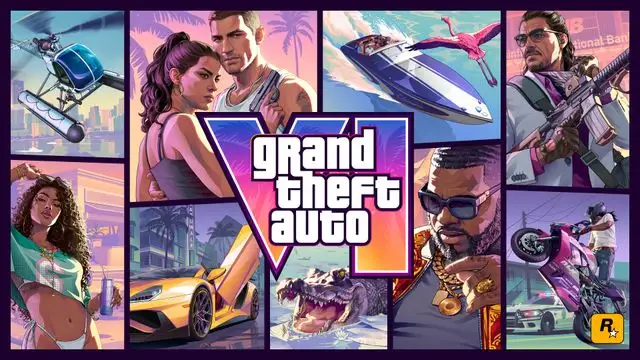
Prize
A full copy of GTA 6 Ultimate Edition
Email first, then one site action during the draw window.
To be clear, a trailer takedown and a full game takedown are fundamentally different actions, and as of now, there is no indication that Take-Two has moved against the Fortnite Creative experience itself. The game itself is still scheduled to launch on March 14, and nothing about the DMCA process prevents that from happening.
The trailer strike is Take-Two's lightest and fastest possible legal move. Whether it stays at that level depends entirely on what JOGO does next, especially with GTA 6 launching on November 19.


